Key Takeaways: What Every Offshore Accident Victim Should Know
- Maritime law sets different standards for offshore accident cases than regular personal injury law, requiring specialized legal expertise.
- Multiple laws may apply including the Jones Act, Longshoremen’s and Harbor Workers’ Compensation Act, and state personal injury law.
- Evidence preservation is critical as offshore companies keep detailed logs and records that must be obtained quickly to build your case.
- Jones Act provides a “featherweight burden” of proof, making it easier to win cases compared to other areas of law.
- You can recover pain and suffering, medical expenses, lost wages, and disability under maritime law protections.
Contact our Houston offshore injury lawyers today for a free case evaluation. We’ll help you understand your rights with no pressure or obligation.
Why Choose Simmons & Fletcher After an Offshore Accident in Houston?
When you’re injured while working offshore in the Gulf of Mexico, you need a Houston offshore injury attorney who understands the complex maritime laws that protect your rights. At Simmons & Fletcher, P.C., our experienced offshore accident lawyers have been fighting for injured maritime workers since 1979.
What sets our Houston offshore accident law firm apart:
- Nearly 50 years serving injured offshore workers throughout Texas;
- Proven track record with offshore accident cases and Jones Act claims;
- Board-certified personal injury attorneys with maritime law expertise;
- We investigate accident scenes and work with qualified experts;
- No attorney fees unless we win your case.
If we accept your offshore injury case, our dedicated Houston maritime injury lawyers will:
- Thoroughly investigate your offshore accident and preserve critical evidence;
- Determine which maritime laws apply to maximize your recovery;
- Handle all communications with offshore companies and insurers;
- Fight for full compensation while you focus on recovery;
- Take your case to trial if necessary to get you justice.
Don’t let offshore companies sweep your injury under the rug. Contact our Houston offshore accident lawyers today at (713) 932-0777 for your free consultation.
4.9 out of 5 stars based on 486 reviews on Google, see what our clients say about us
What Is An Offshore Accident?
An offshore accident occurs when workers are injured while working on vessels or structures located on navigable waters. These accidents fall under maritime law, which sets entirely different standards for making a recovery compared to typical workplace injuries.
Offshore accidents commonly involve:
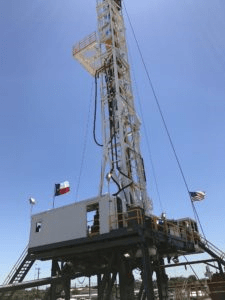
- Oil rigs and drilling platforms in the Gulf of Mexico;
- Jack-up rigs and floating oil rigs not attached to the ocean floor;
- Vessels including tankers, barges, and supply boats;
- Port facilities and docks along the Houston Ship Channel;
- Maintenance and construction work on offshore structures.
The proximity to navigable waters and the worker’s job duties determine which specific maritime laws apply to your case. Our Houston offshore injury law firm can evaluate your situation to identify all available legal remedies.
Different Types Of Offshore Accidents
Houston offshore workers face unique dangers that can result in catastrophic injuries or wrongful death. According to the CDC’s database, during 2014-2019, the oil and gas extraction industry recorded a total of 470 work-related fatalities. Common types of offshore accidents include:
Oil Platform and Rig Accidents:
- Oil rig accidents involving equipment failures and explosions;
- Drilling equipment malfunctions and blowouts;
- Chemical plant explosions and toxic exposure;
- Falls from elevated platforms and structures.
Vessel and Maritime Accidents:
- Oil tanker accidents and cargo ship injuries;
- Drillship accidents and supply boat collisions;
- Cruise ship accidents involving passengers and crew;
- Barge accidents and tugboat incidents;
- Shrimp boat and commercial fishing vessel accidents.
Port and Dock Injuries:
- Slip and fall accidents on wet decks and walkways;
- Loading dock accidents and crane operations;
- Container handling injuries and cargo accidents;
- Maintenance accidents at port facilities.
The Significant Dangers of Working Offshore
Offshore workers face some of the most dangerous working conditions in any industry. According to CDC data analyzing offshore operations, the U.S. oil and gas extraction industry had a collective fatality rate seven times higher than for all U.S. workers. The combination of heavy machinery, volatile chemicals, and harsh marine environments creates serious risks.
Major hazards that lead to offshore injuries include:
- Equipment failures: Malfunctioning drilling equipment, cranes, and safety systems;
- Fires and explosions: Volatile chemicals and oil and gas can ignite causing severe burns;
- Falls and struck-by accidents: Working at heights without proper safety protocols;
- Electrocution injury: Electrical hazards in wet marine environments;
- Toxic exposure: Chemical burns and respiratory injuries from hazardous substances;
- Weather-related dangers: Storms and rough seas creating unstable conditions.
When companies fail to follow proper safety protocols or cut corners on maintenance, workers suffer the consequences. Our Houston offshore injury attorneys hold negligent companies accountable for their actions.
What are the Most Common Causes of Texas Offshore Accidents and Injuries?
Offshore accidents rarely happen by chance. Most result from preventable causes that companies should address through proper safety measures and maintenance. According to recent federal government data from the Bureau of Safety and Environmental Enforcement (BSEE), slip-trip-fall incidents have emerged as the leading cause of offshore accidents and injuries. Between May 2024 and April 2025, slips, trips, and falls accounted for 22% of all injuries reported to BSEE, surpassing lifting-related injuries for the very first time in recent years. Other common causes include struck-by hazards and fires on offshore facilities.
Equipment and Mechanical Failures
Machinery breakdowns represent one of the leading causes of offshore injuries, as oil rigs depend heavily on complex equipment operating in harsh marine environments. Common equipment-related hazards include:
- Inadequate maintenance of drilling equipment and safety systems;
- Defective machinery and tools that malfunction during operations;
- Scaffolding collapse and structural failures on platforms;
- Crane accidents during lifting and loading operations.
Human Error and Negligence
Worker mistakes and negligence frequently contribute to catastrophic incidents, often stemming from demanding work conditions and insufficient oversight. Key human factors include:
- Insufficient training on safety procedures and equipment operation;
- Fatigue from long work schedules and extended shifts;
- Failure to follow established safety protocols;
- Inadequate supervision and oversight of dangerous operations.
Environmental and Structural Issues
Physical conditions on offshore platforms create additional hazards that can lead to serious injuries when not properly managed. These environmental risks include:
- Dangerous weather conditions that companies ignore;
- Slippery surfaces and inadequate lighting on vessels;
- Balcony railing collapse and inadequate guardrails;
- Poor ventilation leading to toxic gas exposure.
Injured in an offshore accident caused by negligence? Our Houston offshore rig accident lawyers will investigate every aspect of your case to identify all responsible parties.
What Type of Compensation Can I Pursue After Being Injured in an Offshore Accident in Texas?
The compensation available after an offshore accident depends on which maritime laws apply to your specific situation. Unlike standard workers compensation, maritime law often allows for broader recovery.
Jones Act Claims
If you qualify as a seaman under the Jones Act (46 U.S.C. § 30104), you can recover:
- Medical expenses: Current and future medical treatment and rehabilitation;
- Lost wages: Income lost due to your inability to work;
- Pain and suffering: Physical discomfort and emotional distress;
- Disability benefits: Compensation for permanent impairments;
- Loss of earning capacity: Reduced ability to earn income in the future.
Longshore and Harbor Workers’ Compensation
Harbor workers’ compensation provides benefits similar to traditional workers compensation but often with higher payment rates:
- Medical treatment for work-related injuries;
- Temporary disability payments while recovering;
- Permanent disability benefits for lasting impairments;
- Wrongful death claims for surviving family members.
Third-Party Claims
You may also pursue a personal injury lawsuit against third parties whose negligence contributed to your accident:
- Equipment manufacturers for defective products;
- Contractors and subcontractors who created dangerous conditions;
- Vessel owners who failed to maintain safe working conditions;
- Other parties whose negligence caused your offshore injury.
Our experienced Houston offshore injury attorney will evaluate all potential sources of recovery to maximize your compensation.
Related Resources
- Houston Maritime Accident Lawyer: Explore comprehensive information about maritime law claims, including the Jones Act and LHWCA protections for injured maritime workers.
- Burn Injury Lawyer: Understand your legal options after suffering burn injuries from offshore explosions, fires, or chemical exposure.
- Chemical Burn Lawyer: Find out how to pursue compensation for chemical burns and toxic exposure injuries common in offshore and petrochemical work.
- Industrial Accident Lawyer: Discover legal remedies for injuries from oil and gas refinery explosions, equipment failures, and toxic releases.
- Plant Explosion Lawyer: Learn about your rights after a refinery or plant explosion that causes injuries to workers or nearby residents.
- Catastrophic Injury Lawyer: Read about compensation for life-altering injuries including spinal cord damage, traumatic brain injuries, and permanent disabilities common in offshore accidents.
- Statute of Limitations for Maritime Torts: Understand the different deadlines that apply to maritime personal injury claims under federal and state law.
FAQs About Offshore Accidents
What is the Jones Act for personal injury?
The Jones Act for personal injury provides certain protections to workers on sea vessels, including jack-up rigs and floating oil rigs. Under the Jones Act (46 U.S.C. § 30104), covered employees can recover pain and suffering, disability, medical expenses, and lost wages when employer negligence causes their injuries.
The Jones Act has a lower burden of proof called a “featherweight burden,” making it easier to win cases compared to other areas of law. You must only show that employer negligence played even a slight role in causing your accident.
How to gather evidence for offshore accident cases?
Gathering evidence for offshore accident cases requires immediate action to preserve critical information. Key evidence includes company safety records, maintenance logs, witness statements, and physical evidence from the accident scene.
You should report your accident immediately to create an official record. Take photos if possible and get contact information from witnesses.Lastly, and most importantly, contact an experienced Houston offshore accident lawyer immediately to preserve evidence before companies alter or destroy it.
Who investigates accidents at sea?
Multiple agencies may investigate offshore accidents depending on the location and circumstances:
- The U.S. Coast Guard investigates marine casualties involving vessels;
- OSHA may investigate workplace safety violations;
- The Bureau of Safety and Environmental Enforcement (BSEE) investigates accidents on offshore oil and gas operations.
While government investigations can provide valuable information, they don’t automatically result in compensation for injured workers. You need an experienced offshore accident lawyer to pursue your individual claim for damages.